
The digital classroom is no longer just a place for static presentations and passive reading. Today’s effective online education is dynamic, engaging, and tailored to the individual. Whether you’re an educator building a course, a corporate trainer developing modules, or a student aiming for success, mastering the key online learning best practices is essential.
This guide moves beyond theory to give you nine powerful, actionable strategies. We’ll show you how to transform a simple online course into a vibrant learning ecosystem. To start, it’s crucial to master online course design, as this forms the foundation of any successful program.
Get ready to explore techniques that boost engagement, improve knowledge retention, and create truly impactful educational experiences. From microlearning to building online communities, these strategies will give you the tools to thrive. Let’s dive in.
1. Microlearning and Chunking Content
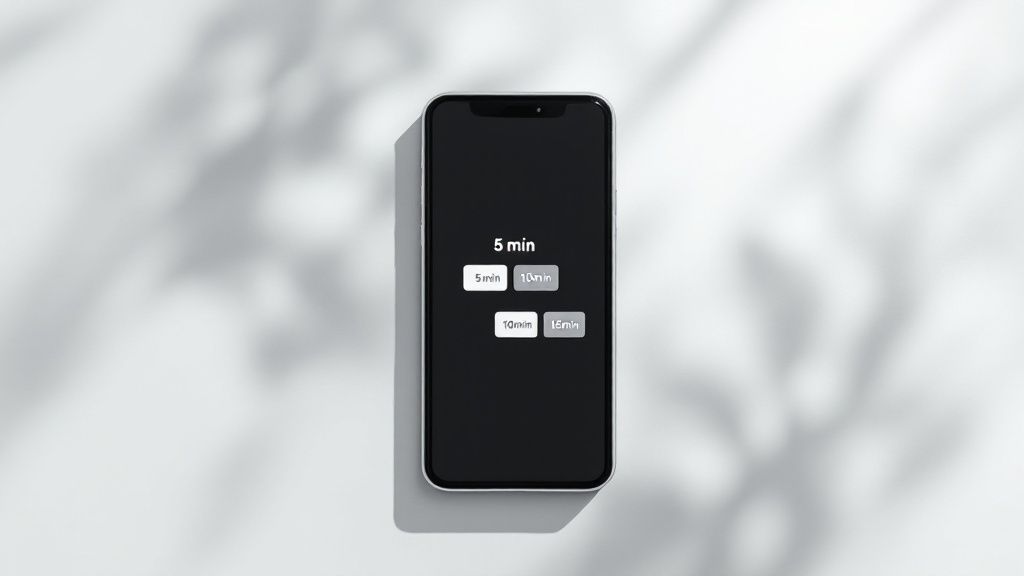
One of the most effective online learning best practices is breaking down complex topics into small, manageable pieces. This is known as microlearning, where you create bite-sized lessons that usually last just 5 to 15 minutes. By “chunking” content this way, you work with the brain’s natural limits, making it easier to process new information.
This approach prevents students from feeling overwhelmed, helping them understand and retain knowledge better. Think of Duolingo, which turns language learning into quick, game-like lessons. Or Khan Academy, with its short videos focusing on single concepts. The core idea is simple: short, focused bursts of learning beat long, draining sessions every time.
How to Implement Microlearning
To make microlearning work, focus on being precise and engaging. Each short lesson should feel like a complete step in a bigger journey.
- Define a Single Objective: Every micro-lesson needs one clear goal. For example, instead of a module on “Digital Marketing,” create separate chunks for “Writing a Compelling Headline” and “Understanding CTR.”
- Incorporate Quick Knowledge Checks: After each segment, add a short quiz, a simple drag-and-drop activity, or a quick question. This reinforces learning and provides instant feedback.
- Optimize for Mobile: Microlearning is perfect for learning on the go. Ensure your content looks great and works smoothly on smartphones and tablets.
- Use Diverse Media: Keep things interesting by mixing up your formats. Combine short videos, infographics, interactive slides, and brief text summaries to appeal to different learning styles.
This strategy is perfect for corporate training and skill development, where learners need to absorb information quickly and apply it right away.
2. Active Learning and Interactivity
Great online courses do more than just present information; they demand participation. Active learning is a core tenet of modern online learning best practices. It transforms learners from passive spectators into active participants through interactive elements that require them to think, solve problems, and apply what they’ve learned in real-time.
This hands-on approach dramatically boosts engagement and helps knowledge stick. Platforms like Coursera use peer-reviewed assignments to get students working together, while others offer virtual labs for risk-free experiments. The goal is to make learning a dynamic, two-way street. To push this even further, many are now exploring transformative immersive learning experiences with AR/VR.

How to Implement Active Learning
To bring active learning to life, create opportunities for learners to interact directly with the course material and each other.
- Incorporate Interactive Elements: Use tools like quizzes, polls, simulations, and discussion forums to keep learners engaged.
- Encourage Peer Collaboration: Design group projects or peer-review assignments. This builds a sense of community and exposes learners to different perspectives.
- Use Gamification Strategically: Add points, badges, and leaderboards to motivate learners and create a feeling of accomplishment.
- Provide Multiple Participation Avenues: Offer various ways for people to engage, such as live chats, forum discussions, video responses, or collaborative whiteboards.
This strategy is especially effective for complex subjects, as it forces learners to actively process information, leading to a much deeper understanding.
3. Personalized Learning Paths
One size doesn’t fit all in education. That’s why one of the most powerful online learning best practices is creating personalized learning paths. This approach uses data and adaptive technology to tailor the educational journey to each person’s unique learning style, pace, and existing knowledge.
This dynamic method makes learning more relevant and engaging. Instead of following a rigid curriculum, learners receive content that is challenging but not overwhelming. For example, some platforms use algorithms to pinpoint a learner’s weaknesses and deliver targeted exercises to fill those gaps. It’s like having a personal tutor available 24/7, guiding you to the material you need most.

How to Implement Personalized Learning Paths
Creating personalized paths requires a flexible course structure that can adapt to each learner’s progress. The focus is on building a responsive and supportive educational environment.
- Start with Learner Assessments: Before the course begins, use pre-tests or diagnostic quizzes to gauge each learner’s starting point and identify their needs.
- Provide Multiple Content Formats: Offer material in various forms, such as videos for visual learners, podcasts for auditory learners, and articles for those who prefer to read.
- Use Branching Scenarios: Design your course with decision points. Based on a quiz result or a choice, you can direct a learner to remedial content, an advanced topic, or an alternative module.
- Allow Learner Control: Give learners some control over their pace and the order of topics. This empowers them to focus on areas they find most relevant or challenging.
This strategy is ideal for courses with a diverse audience, where everyone arrives with a different level of expertise.
4. Multimedia and Multi-Modal Content
Why stick to just text? A key component of today’s online learning best practices is using a rich mix of content formats. This multi-modal approach means integrating videos, audio clips, infographics, and interactive simulations alongside traditional text to present information in multiple ways.
By combining various media, you make the learning experience more engaging and effective for a wider range of people. Research shows that people learn more deeply from a combination of words and pictures than from words alone. For example, a complex process can be explained in a short video, summarized in an infographic, and then explored in an interactive activity. This variety prevents boredom and reinforces key concepts from different angles.

How to Implement Multimedia Content
To use multimedia effectively, make sure each piece of content serves a clear purpose. Don’t add variety just for the sake of it.
- Match Media to the Objective: Use a video to demonstrate a process, an infographic to summarize data, and a simulation for hands-on practice. The format should enhance the lesson.
- Ensure Accessibility: Provide captions for videos and transcripts for audio. This supports learners with disabilities and helps everyone learn in different environments.
- Optimize for All Devices: Your content must work flawlessly on desktops, tablets, and smartphones. Consider that some users might have slow internet and offer lower-resolution options.
- Maintain Consistent Quality: High-quality production matters. Poor audio, blurry videos, or confusing graphics can distract from the learning and hurt your credibility.
This approach is perfect for complex subjects where a visual or auditory explanation can make all the difference.
5. Community Building and Social Learning
Learning doesn’t have to be a solo activity. In fact, one of the most impactful online learning best practices is fostering a sense of community. This approach turns online learning into a shared experience by incorporating discussion forums, group projects, and peer reviews.
Building a community creates a vital support system that reduces the feeling of isolation common in online courses. When learners can ask questions, share insights, and collaborate, they often learn as much from each other as they do from the instructor. This social interaction makes the educational journey richer, more dynamic, and far more engaging.
How to Implement Community Building
To build a thriving learning community, you need to be intentional about creating spaces for interaction and providing clear guidelines.
- Establish Clear Community Guidelines: Start by setting rules for respectful communication and constructive feedback. This creates a safe and inclusive space for everyone.
- Facilitate Introductions and Icebreakers: Begin the course with a forum where learners can introduce themselves. Use fun, low-pressure prompts to get the conversation started.
- Create Structured Discussion Prompts: Instead of generic prompts, ask open-ended questions that encourage critical thinking and require learners to respond to each other.
- Encourage Peer Mentoring: Create opportunities for students to help one another. You could pair experienced learners with newcomers or create a system where students can “upvote” helpful posts.
This strategy is fantastic for subjects that benefit from multiple viewpoints and for longer courses where keeping motivation high is key.
6. Regular Assessment and Feedback
How do learners know if they’re on the right track? One of the most critical online learning best practices is building in a continuous cycle of assessment and feedback. This means using frequent, low-stakes quizzes and assignments to help learners check their understanding and identify areas where they need more work.
Timely, constructive feedback is what turns a simple test into a powerful learning tool. It shows learners what they did right and gives them clear, actionable steps for improvement. This approach is far more effective than relying on a single final exam. Regular check-ins keep students engaged, motivated, and aware of their progress throughout the course.
How to Implement Regular Assessment and Feedback
To make assessment a meaningful part of the learning process, focus on providing feedback that is consistent, clear, and supportive.
- Offer Multiple Assessment Formats: Use a mix of quizzes, short essays, projects, and peer reviews. This gives you a more complete picture of a learner’s understanding.
- Use Rubrics for Consistent Evaluation: Share clear grading rubrics ahead of time. This sets clear expectations and ensures that feedback is objective and fair for everyone.
- Provide Timely and Specific Feedback: Aim to return feedback quickly, while the assignment is still fresh in the learner’s mind. Instead of a generic “Good job,” offer specific insights like, “Your analysis was strong, but try adding more data to support your main point.”
- Encourage Self-Assessment and Reflection: Prompt learners to reflect on their own work by asking questions like, “What was the most challenging part of this assignment?” or “What would you do differently next time?”
This practice is essential for any online course focused on skill development and deep understanding.
7. Mobile-First and Responsive Design
Learning today happens everywhere—on the train, during a lunch break, or at a coffee shop. That’s why one of the most crucial online learning best practices is adopting a mobile-first design. This means designing your course to work beautifully on a smartphone first, then adapting it for larger screens like tablets and desktops.
This strategy ensures your content is accessible and engaging for everyone, no matter what device they use. Many learners rely on their phones to access course materials, so a clunky mobile experience can be a major barrier. A mobile-first approach guarantees that the core functionality is solid and the user experience is intuitive on all platforms.
How to Implement a Mobile-First Design
To execute a mobile-first strategy successfully, you must prioritize usability and accessibility on handheld devices.
- Design for Thumb Navigation: Place key buttons and navigation elements where they can be easily reached with a thumb. This makes one-handed use feel natural.
- Optimize Media for Mobile: Compress images and videos to ensure they load quickly on mobile data connections, without sacrificing too much quality.
- Provide Downloadable Content: Allow learners to download videos, PDFs, or audio lessons for offline access. This is a game-changer for those with unreliable internet.
- Test Across Multiple Devices: Regularly test your course on a range of devices, screen sizes, and operating systems (like iOS and Android) to catch and fix any usability problems.
8. Gamification and Motivation Design
Turning learning into a game is a powerful online learning best practice for boosting engagement. This strategy, known as gamification, applies game-like elements such as points, badges, and leaderboards to an educational setting. It taps into our natural desire for achievement and competition, making learning feel less like a chore and more like a fun challenge.
This approach gives learners immediate, tangible feedback on their progress, which helps keep them motivated. Think of language apps that award points for daily practice or coding platforms that give out badges for mastering a new skill. These small rewards create a sense of accomplishment and make learners more invested in their educational journey.
How to Implement Gamification
To use gamification effectively, you must connect the game mechanics to your learning goals. The fun should always serve an educational purpose.
- Align Elements with Learning Objectives: Make sure every point or badge corresponds to a specific learning milestone. A badge for “Mastering Python Loops” is much more meaningful than a generic “Level Up” award.
- Provide Meaningful Rewards: Go beyond simple points. Offer rewards with real value, like unlocking advanced content or earning a certificate.
- Incorporate Collaborative Challenges: Introduce team-based quests or group projects. This builds community and encourages peer-to-peer learning.
- Visualize Progress Clearly: Use progress bars or skill trees to give learners a clear visual of how far they’ve come and what’s next. Celebrating small wins is key to keeping motivation high.
This method is highly effective for any subject where long-term engagement is crucial for success.
9. Asynchronous and Flexible Scheduling
One of the greatest advantages of online learning is flexibility. Embracing an asynchronous model is a cornerstone of effective online learning best practices. This approach allows learners to access course materials and complete assignments on their own schedule, rather than requiring them to be online at a specific time.
This flexibility is essential for accommodating working professionals, students in different time zones, and anyone juggling personal commitments. It makes education accessible to a much wider audience. The core idea is to shift the focus from when learning happens to that it happens effectively, giving learners control over their education.
How to Implement Asynchronous Learning
To make a flexible learning model work, you need to find the right balance between freedom and structure. The goal is to provide guidance without being overly restrictive.
- Provide Clear Deadlines and Milestones: While the day-to-day schedule is flexible, set clear deadlines for major assignments. This helps prevent procrastination and keeps everyone on track.
- Offer Optional Synchronous Elements: Enhance the experience with optional live sessions, like Q&As or office hours. This provides a chance for real-time interaction for those who want it.
- Design for Easy Navigation: Since learners will be navigating the material on their own, the course layout must be simple and intuitive.
- Create Suggested Learning Schedules: Help learners manage their time by providing a recommended weekly schedule. Frame it as a helpful guide, not a strict requirement.
This approach is perfect for any course targeting a diverse, global audience or adult learners with busy lives.
Best Practices Comparison of 9 Key Online Learning Strategies
| Learning Approach | Implementation Complexity 🔄 | Resource Requirements ⚡ | Expected Outcomes 📊 | Ideal Use Cases 💡 | Key Advantages ⭐ |
|---|---|---|---|---|---|
| Microlearning and Chunking Content | Low to Moderate | Low to Moderate | Improved retention and completion | Bite-sized learning, busy schedules | Reduces cognitive overload, mobile-friendly |
| Active Learning and Interactivity | High | High | Enhanced engagement and critical thinking | Hands-on learning, simulations, collaboration | Immediate feedback, motivation boost |
| Personalized Learning Paths | Very High | Very High | Efficient learning, tailored content | Adaptive learning, skill-gap focus | Accommodates diverse styles, identifies gaps |
| Multimedia and Multi-Modal Content | High | High | Increased engagement and accessibility | Diverse learner preferences | Appeals to multiple senses, flexible consumption |
| Community Building and Social Learning | Moderate | Moderate | Collaboration skills, motivation | Peer learning, discussion, networking | Reduces isolation, diverse perspectives |
| Regular Assessment and Feedback | Moderate to High | Moderate to High | Learning validation and motivation | Continuous improvement, progress tracking | Early gap identification, metacognition |
| Mobile-First and Responsive Design | Moderate | Moderate | Higher accessibility and completion | On-the-go learning, global access | Convenience, future-proofing platforms |
| Gamification and Motivation Design | Moderate | Moderate | Increased engagement and persistence | Motivation-driven learning | Clear progress indicators, enjoyment |
| Asynchronous and Flexible Scheduling | Low to Moderate | Low to Moderate | Flexibility and accessibility | Self-paced learners, time-zone agnostic | Accommodates varied schedules, replayability |
Bringing It All Together: Your Next Steps in Online Learning
Creating a truly great online learning experience is about more than just uploading videos and PDFs. It requires a thoughtful, strategic approach that combines proven teaching principles with modern technology.
The core theme connecting all these online learning best practices is simple: put the learner first. Each strategy, from breaking content into bite-sized micro-lessons to building a vibrant online community, is designed to meet learners where they are. By embracing interactivity, you turn passive viewers into active participants. By personalizing the journey, you empower them to learn at their own pace.
Synthesizing the Core Principles
The nine pillars we’ve covered aren’t separate tactics; they work together to create a powerful learning ecosystem.
- Content & Structure: Microlearning and multimedia make your material engaging and easy to digest.
- Engagement & Motivation: Active learning, gamification, and community turn learning into an exciting, social experience.
- Flexibility & Support: Personalized paths, flexible scheduling, and mobile-first design provide the adaptability modern learners need.
- Improvement & Efficacy: Regular assessment and feedback create a continuous loop of improvement for both the learner and the course creator.
Imagine a course where a student watches a short, animated video on their phone (mobile-first), answers a quick interactive quiz (active learning), earns a badge for completing the module (gamification), and then discusses the concept with peers in a forum (social learning). This is the future of effective online education.
Your Action Plan for Implementation
You don’t need to overhaul your entire curriculum overnight. Real change starts with small, deliberate steps.
Begin by picking one or two practices from this list that feel like a good fit for your audience and content. Maybe you can add an interactive poll to your next lesson or redesign one long module into a series of shorter micro-videos.
Gather feedback, see what works, and keep improving. The goal is progress, not perfection. By consistently applying these principles, you’ll create online learning experiences that are not only more effective but also more enjoyable and transformative for everyone involved.
Ready to elevate your course content with engaging, professional-quality video? LunaBloom AI makes it easy to implement multimedia best practices by helping you create stunning AI-powered videos with realistic avatars and voice cloning in minutes. Transform your static content into a dynamic learning experience by visiting LunaBloom AI and start creating for free today.