Lip sync songs work best when the audio and mouth movement stay tightly aligned. Recent benchmark research notes that viewers start noticing timing problems at roughly 20 to 40 milliseconds, and expert workflow guidance points to premium targets like phoneme-to-viseme latency below 40 ms and median lip-sync error at or below about 1.5 frames. That's why the best choice isn't just the most famous track. It's the one that fits your mood, vocal difficulty, video format, and platform.
Are you trying to make something energetic, confident, romantic, atmospheric, collaborative, or emotionally heavy? Most creators pick songs by popularity alone, then wonder why the finished video feels flat. A better approach is to match the song's phrasing, tempo feel, and facial-expression range to the kind of performance you want people to watch through to the end.
That matters even more now because lip-syncing has moved far beyond stage gimmicks. It's been part of popular entertainment since at least the 1940s, from “soundies” to TV shows like American Bandstand and Soul Train, where mimed performance became a normal visual format rather than a novelty, as outlined in this history of lip-syncing in entertainment. In the mobile era, the format scaled fast. Musical.ly launched in August 2014, grew to more than 10 million users by June 2015, hit 70 million downloads by May 2016, exceeded 90 million registered users by June 2016, and passed 200 million users by the end of May 2017, with more than 10 million new videos posted every day at one point, according to the Musical.ly platform timeline.
So which lip sync songs work best? The ten below are organized by performance mood, vocal structure, tempo feel, and platform use. You'll also get framing ideas, caption angles, formatting tips, light rights-check reminders, and a practical look at how creators can use LunaBloom AI to build synchronized avatar performances, captions, and platform-ready edits from an uploaded track. If you're also thinking about monetization, this guide on how to turn TikTok attention into sales pairs well with the song choices below.
1. Levitating by Dua Lipa. The Ultimate Viral Lip-Sync Anthem
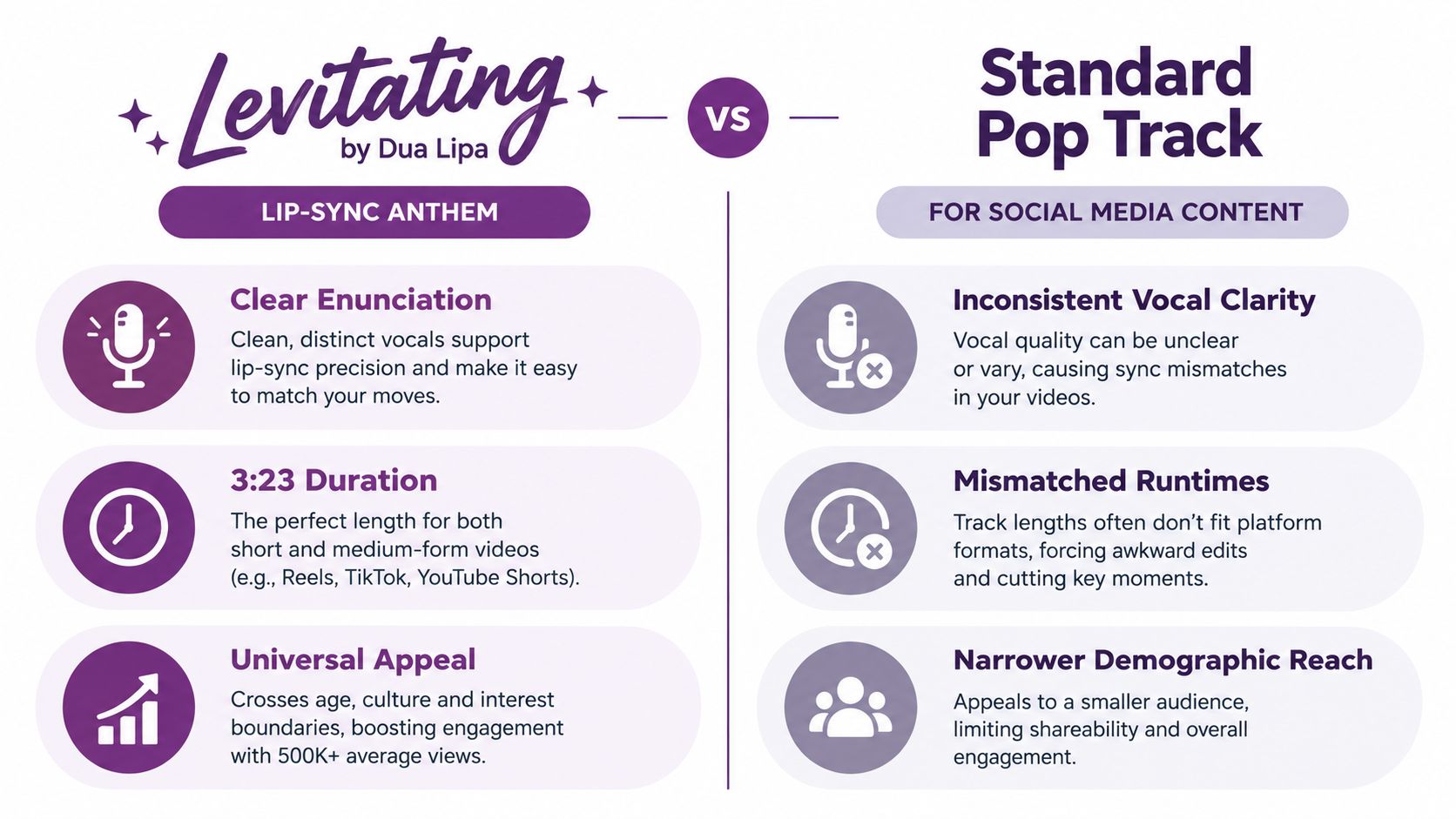
“Levitating” is the easiest song on this list to recommend when you want bright energy without complicated acting. The vocal line is crisp, the chorus lands cleanly, and the song gives you obvious moments for eye contact, smile cues, and bounce-driven cuts.
That combination matters because a lip-sync video usually feels strongest when the performer doesn't have to fight the phrasing. Clear consonants help. Predictable chorus returns help even more.
Why it works on short-form video
This is a strong pick for TikTok, Instagram Reels, and YouTube Shorts when you want a performance-first clip rather than a story-heavy edit. The best framing is usually chest-up or waist-up so viewers can read both the mouth shapes and the body rhythm.
Use this comparison visual if you want to explain or pitch the style internally:
A simple version works well:
- Opening frame: Start on the first recognizable lyric, not with a long visual intro.
- Caption angle: Use confident, playful text that matches the floating mood.
- Audience fit: General entertainment, fashion, dance, beauty, and creator lifestyle accounts.
Practical rule: If the hook is upbeat and lyric-forward, cut to the mouth movement immediately. Don't waste the first seconds on scene setup.
LunaBloom AI can help if you want to test alternate performer styles from the same track. A solo version, a duo reaction version, or an avatar-led variation can all be built from one concept inside the LunaBloom AI app.
Make the video stronger
Try a bright set, a moving light source, or a clean color block background. This song also benefits from on-screen captions with selective emphasis on the most recognizable words.
Rights check still comes first. If you're posting commercially, confirm whether your platform music library, your own license, or your campaign permissions cover that use.
2. Good as Hell by Lizzo. Confidence-Building Performance Content
Some lip sync songs work because they sound polished. “Good as Hell” works because it sounds like a pep talk with melody. That makes it useful for creators who want presence more than precision.
The vocal structure gives you range. You can lean into spoken attitude, then switch into a fuller performance on the chorus. That change keeps the video from feeling one-note.
Best use cases for this track
This song fits:
- Glow-up edits: Before-and-after styling, workspace resets, or self-care routines.
- Motivational content: Wellness, mindset, confidence, and personal brand messaging.
- Group performances: Friends, teams, or co-workers can split lines and build call-and-response energy.
For framing, a mirror shot or walk-toward-camera shot usually lands better than a static front-facing setup. You want visible posture changes. The confidence in the song needs a visual match.
A strong caption can be short:
- Caption idea: “Reset the mood. Keep the attitude.”
- Alternate caption: “Some songs don't need explaining.”
How to perform it well
Don't oversing with your face. This song looks better when the performer acts like they believe the words rather than trying to dramatize every line. Relaxed confidence beats exaggerated confidence.
Use the spoken sections for eye-rolls, hair flips, gestures, or prop moments. Save the biggest expression for the chorus so the build feels earned.
If you're using LunaBloom AI, this is a good place to try multi-character interpretation. One avatar can handle the setup line, another can answer on the hook, or you can build a split-screen confidence arc with different looks and backgrounds.
Keep the formatting vertical if your audience lives on Reels or TikTok. If you also need a feed post, crop a second version that protects the mouth and eyes near center frame so captions and UI don't cover the performance.
3. Shape of You by Ed Sheeran. The Romantic Lip-Sync Classic
“Shape of You” is a relationship-friendly pick because people already know how to react to it. They expect movement, chemistry, and a slightly playful tone. That familiarity lowers the barrier for viewers.
It's not the easiest song here, though. The rhythm has enough bounce that sloppy timing shows up fast, especially if two people are sharing the frame.
Where it works best
This track suits:
- Couples content
- Anniversary or date-night edits
- Wedding-adjacent social posts
- Soft lifestyle reels with a romantic hook
A couple doesn't need to sing every line directly at camera. In fact, the better choice is often to play the relationship first and the lyrics second. Glances, interruptions, hand movement, and shared motion usually make the performance feel less staged.
Framing and caption ideas
Use medium shots for verses, then move closer on the chorus. If you stay wide the whole time, you lose the facial storytelling that makes lip sync songs feel convincing.
Try caption angles like:
- Warm and simple: “A little cheesy. Still worth posting.”
- Event-driven: “For the photo dump we almost didn't share.”
- Brand-safe romance: “Soft launch energy.”
LunaBloom AI can support stylized couple visuals here, especially if you want cinematic scenes without filming every setup manually. That's useful for anniversary promos, wedding vendors, or creators building narrative edits from licensed audio.
Rights-check guidance matters more than people think with romantic content because brands love using it in ads. If it's for a commercial campaign, don't assume social-platform music access automatically covers paid promotion. Get clear permission before publishing.
4. Bad Guy by Billie Eilish. The Moody Artistic Performance
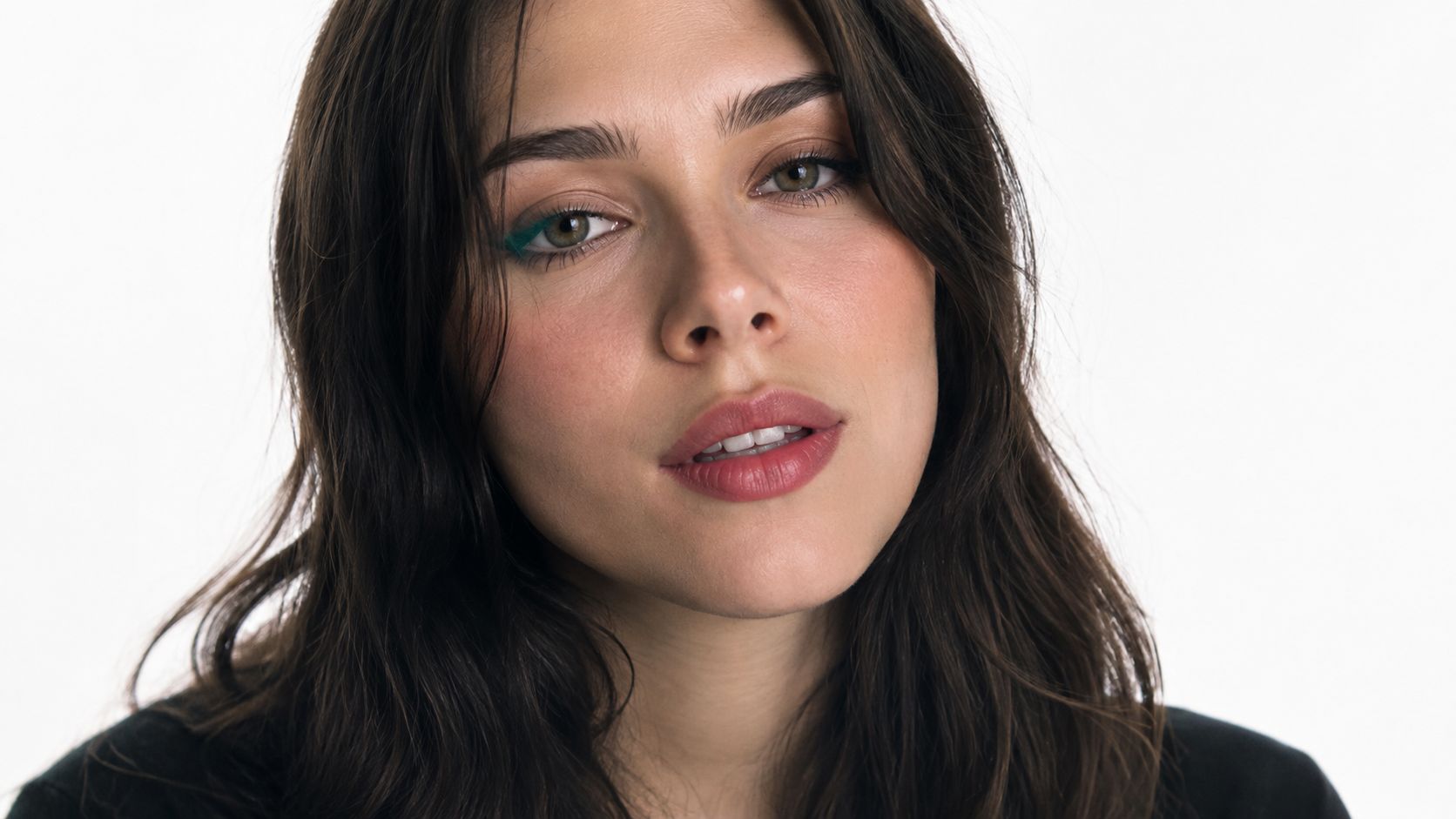
Not every lip-sync video should look cheerful and obvious. “Bad Guy” works when you want tension, irony, or fashion-forward attitude. The vocal delivery is restrained, which means your performance should be restrained too.
A lot of creators overdo this one. The song gets stronger when the face stays controlled and the styling carries part of the message.
How to make the mood believable
Think in close-ups. Whispery phrasing and deadpan expression don't read well from far away. A tighter crop lets the eyes do more work.
Good visual choices include:
- Low-key lighting: Keep contrast high and backgrounds simple.
- Slow camera movement: A push-in works better than quick dance cuts.
- Styling-led storytelling: Makeup, wardrobe, and color palette can carry the mood.
The less you “perform” this song, the more convincing it often feels.
This is also the right place to be disciplined about platform terms and music use. If you're building stylized AI or avatar content from uploaded audio, review the platform rules and your own permissions first. LunaBloom publishes platform information at its terms page, and that's worth checking alongside the music rules for wherever you plan to post.
Best audience and posting format
“Bad Guy” fits fashion creators, alt-pop aesthetics, editorial beauty content, and cinematic short-form accounts. It can also work for product videos when the brand voice is playful, cool, or slightly off-center.
Use sparse captions. Too much text breaks the mood. One sharp line is enough.
5. Don't Start Now by Dua Lipa. The Disco Dance Phenomenon
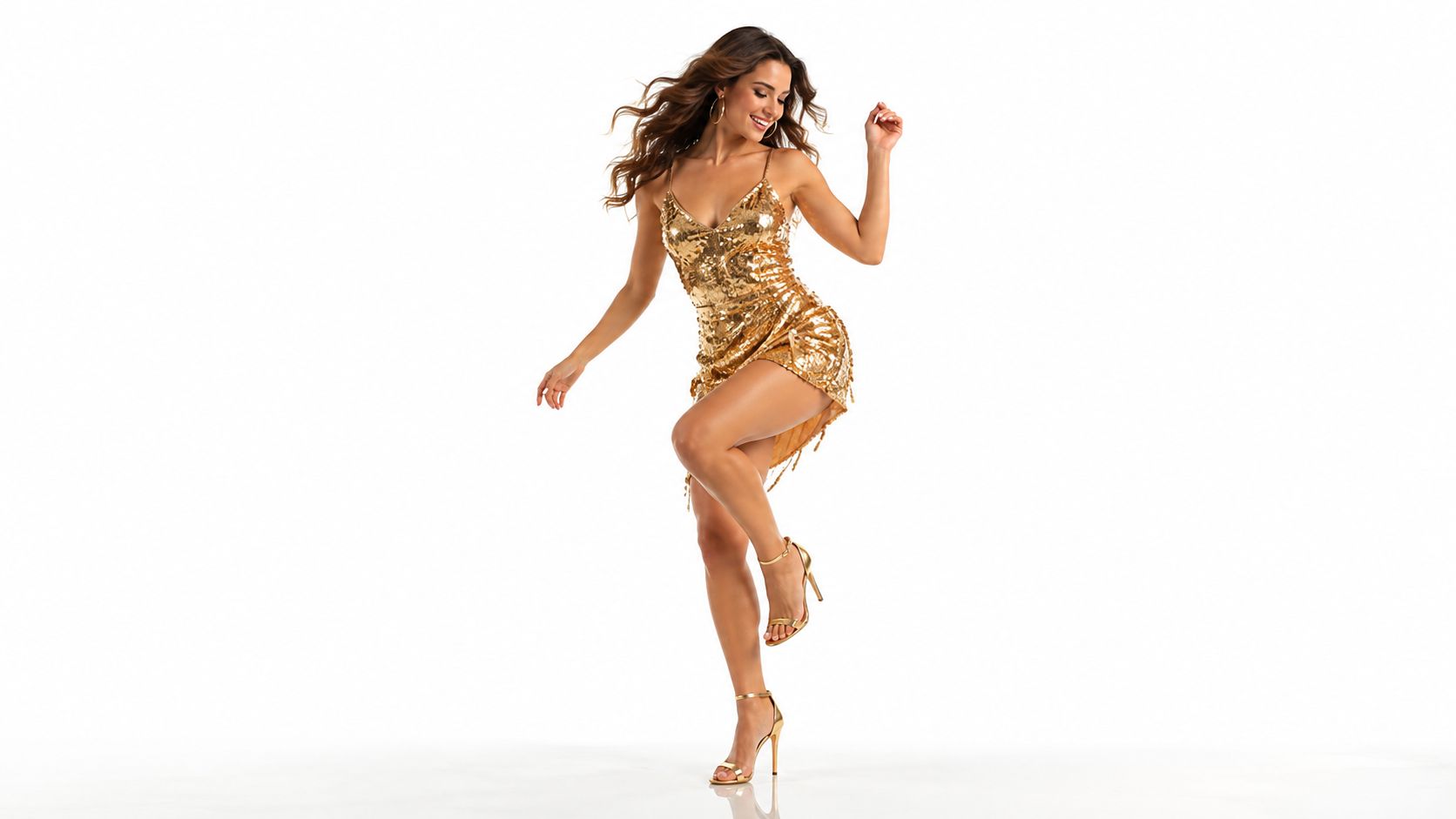
If “Levitating” is your broad-appeal pop pick, “Don't Start Now” is the cleaner choice for movement-driven lip sync songs. It has a built-in strut. You can feel the posture before the first big expression lands.
That makes it ideal for creators who want the body language to carry as much weight as the lyric matching.
Best format for this song
This one rewards wider framing than some of the others. If the dance groove is the point, let viewers see the hips, shoulders, and footwork. A full-body shot for the opening, followed by a tighter chorus crop, often gives you the best of both worlds.
Strong use cases include:
- Dance challenge variations
- Fitness or movement content
- Retail and fashion clips
- Group choreography edits
A practical note from lip-sync benchmarking helps here. Recent research highlights LSE-D and LSE-C as common evaluation metrics for sync quality, and notes that timing errors become noticeable at roughly 20 to 40 milliseconds in perceptual terms, which is useful for QA and model tuning in singing or dialog video, according to current lip-sync benchmark research. On a groove-heavy song like this, tiny sync slips often feel even more obvious.
How to sharpen the final edit
Use cuts on beat changes, not random transitions. Add captions only if they support the dance or hook. If text competes with the movement, remove it.
LunaBloom AI can be useful here when you want alternate edits from one audio track, such as solo, group, or animated-avatar versions. For creators exploring quick concept variations, the LunaBloom starter app is the relevant product page to review.
Keep your rights check simple. If the clip supports a paid fitness plan, product launch, or ad campaign, confirm music permission before you publish.
6. Blinding Lights by The Weeknd. The Synth-Wave Viral Sensation
Want a lip-sync song that feels fast before anyone even moves? “Blinding Lights” does that job well. The beat creates motion on its own, so your video succeeds when the framing, cuts, and facial timing keep up with that pulse.
Use it for momentum-driven content rather than lyric-heavy acting. A simple setup often works better than an overloaded one. Open tight on the face for the first 1 to 2 seconds, then cut wide on the hook to reveal the environment, such as headlights, street reflections, or neon signage. That reveal gives the chorus a visual payoff.
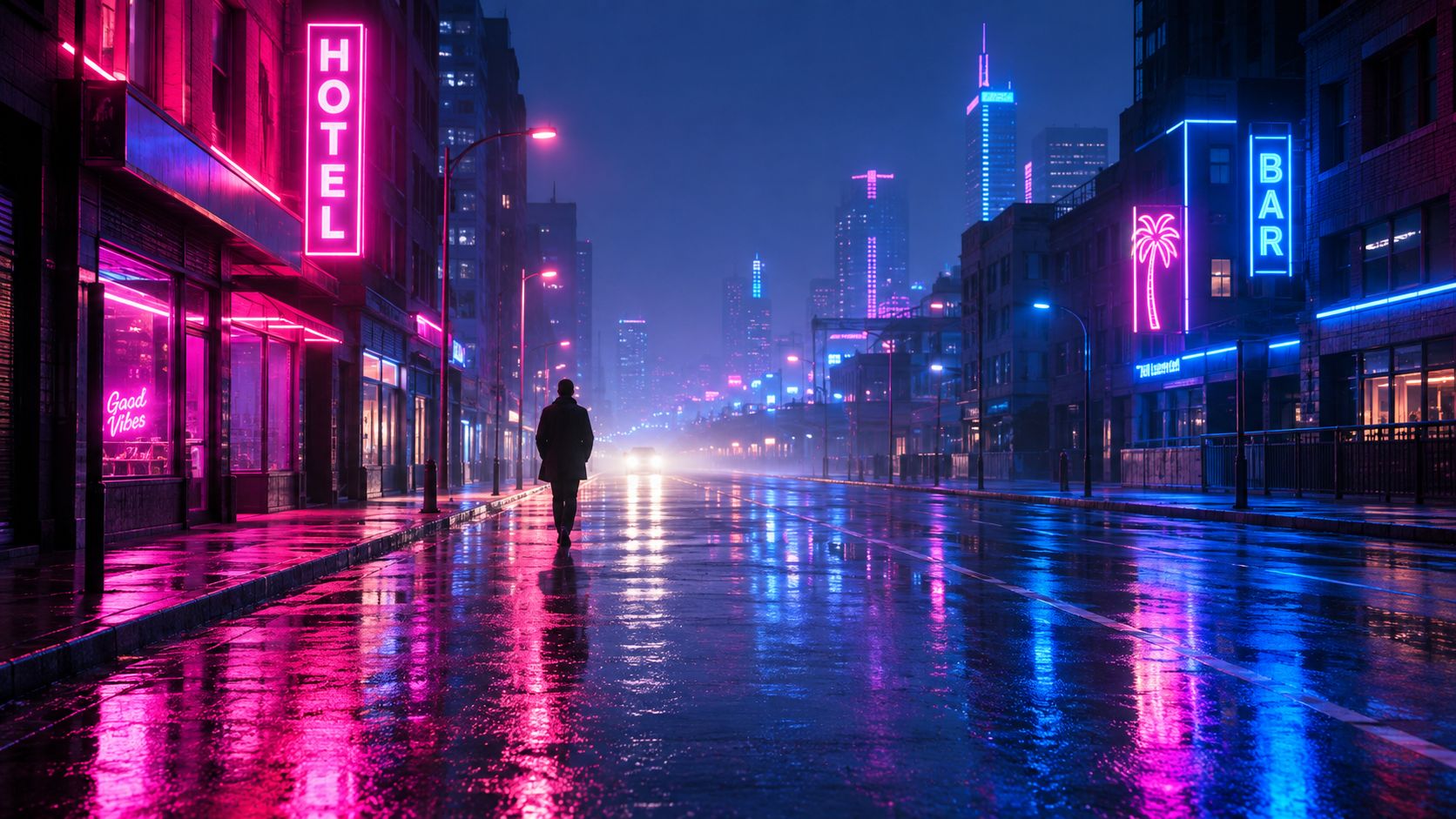
The mood sits in a useful middle zone. It is more urgent than romantic, but less theatrical than a full comedy bit. Controlled intensity usually reads best here. Keep the eyes active, the mouth shapes clean, and the body moving with purpose, even if the movement is only a walk, turn, or shoulder hit on the beat.
A few content types fit this track especially well:
- Streetwear and fashion reveals
- Car, bike, or transit edits
- Nightlife and city montage clips
- Before-and-after transformation videos
Captioning should match the song's forward motion. Short, one-line captions work best because long text slows the clip down. Try formats like:
- POV: out too late, still not done
- Late night look check
- Running on lights and poor decisions
Platform formatting matters here. For TikTok, start with immediate eye contact or visible motion in frame one. For YouTube Shorts, you can afford a slightly slower visual build if the lighting and setting are strong. For Instagram Reels, this song often performs best when the cover frame clearly shows color, contrast, and a recognizable subject instead of a dark wide shot.
If you want alternate versions from one idea, LunaBloom AI can help create original lip-synced visuals around the same audio concept, such as a live-action style clip, an avatar-based version, or a stylized neon scene. That is useful when you want to test the same performance mood across platforms without repeating the exact same visual treatment.
Do a rights check before posting, especially for brand campaigns, monetized promos, or paid client work. Trending audio inside a platform does not automatically cover ads, product placements, or cross-platform reuse. Confirm what the platform license allows, then edit your final version to fit that use.
7. Peaches by Justin Bieber ft. Daniel Caesar & Giveon. The Smooth Collaboration Hit
What makes a lip sync duet feel natural instead of staged? With “Peaches,” the answer is built into the song. Each voice has a different texture, so your video already has clear handoff points for a partner, a friend group, or two versions of the same character.
This track fits a relaxed performance mood. The tempo is easy to follow, the phrasing gives you time to switch shots, and the vocal structure helps you divide roles without confusion. One creator can handle Bieber's lighter lines, another can take the warmer Daniel Caesar or Giveon sections, or you can play all three parts by changing outfit, angle, or setting.
A useful way to stage it is to treat the song like a conversation. One line enters, the next line answers. That rhythm works better than constant cutting because the audience can tell who owns each moment.
For platform use, the format should match that calm, polished energy:
- TikTok works well with visible performer swaps on lyric changes.
- Reels suits clean couple content, summer outfits, travel clips, or apartment lifestyle setups.
- YouTube Shorts gives you more room for a mini story, such as getting ready, meeting up, and landing on the chorus together.
Captions should stay light and specific. Long text competes with the vocals here. Short options work better, such as “soft launch, loud chorus,” “three voices, one weekend,” or “picked the smoothest verse and ran with it.”
Framing matters more than people expect. A split screen can work, but a pass-off shot usually looks stronger. One person exits left on the last word of a line, the next person enters right on the next lyric. It feels like a baton pass in a relay race. The structure is simple, and the result looks planned.
If you want to test multiple personas without filming every variation, LunaBloom AI can help create original lip-synced visuals with different characters, settings, or avatar styles mapped to each verse. For setup questions or production planning, use the LunaBloom AI contact page.
Do the rights check early, especially if the video is for a brand, paid client, or sponsored summer campaign. Platform audio availability does not always cover ads, promos, or reposting across channels. Confirm the license first, then build the final edit around the approved use.
8. Uptown Funk by Mark Ronson ft. Bruno Mars. The Funk Party Classic
If your video needs swagger, “Uptown Funk” solves that fast. It's playful, rhythmic, and big enough to support costumes, props, and full-group staging without feeling overproduced.
This is one of the strongest lip sync songs for events, team videos, school performances, and party-centered content. The built-in character of the song gives everyone something to play.
How to stage it without making it chaotic
This track can get messy if too many people freestyle at once. Assign moments. One person leads the verse, the group hits a chorus pose, and everyone shares the payoff sections.
That structure matters in live contest settings too. Many lip sync contest rules rely on strict duration limits. One university contest allows routines between 3 and 8 minutes, while another sets a maximum of 3 minutes, as shown in published university lip sync competition rules. If you're adapting a longer song for a stage or event, editing matters as much as performance.
Here's a performance reference point:
Stronger formats and caption angles
Best formats include:
- Office or team culture videos
- Wedding party entrances
- School or campus performances
- Brand reels with high-energy confidence
For captions, lean into fun:
- Event energy: “We practiced this longer than we'll admit.”
- Team version: “Quarterly review, but make it funk.”
If you're publishing a public event performance, confirm your audio source, your edit rights, and any venue rules before posting the final cut.
9. Drivers License by Olivia Rodrigo. The Emotional Vocal Showcase
What if the strongest lip-sync in your draft is the one where you barely move at all?
“Drivers License” fits a different performance mood than the party tracks above. It belongs in the reflective lane: slower tempo, long phrases, and a vocal line that rises like a diary entry turning into a confession. That structure matters on camera. You have time to hold eye contact, finish a sentence, and let one reaction replace three quick cuts.
A good way to frame it is to treat the song like a close conversation, not a stage routine. Verse sections work best in a tight shot from the shoulders up. The chorus can widen slightly, or shift the light, so the emotion feels larger without turning theatrical.
Here's the practical test: if the background is louder than your expression, the video is working against the song.
For platform use, this track tends to do better as:
- TikTok or Reels close-up storytelling
- YouTube Shorts with subtitle-led emotion
- Personal milestone posts
- Heartbreak or memory edits with simple b-roll
Formatting should stay restrained. Use 9:16 vertical video, keep text small, and place captions low enough to avoid covering the mouth. This song has several long vowel sounds and held words, so viewers notice lip timing more than they would on a busier track. If you are building original visual scenes around licensed audio, the about LunaBloom AI page explains its cinematic video generation, subtitle support, and synchronized performance tools in a factual way.
Captions need the same restraint as the performance. Short works better than clever here.
Try:
- Quiet and direct: “Some songs work better up close.”
- Memory-focused: “This one stayed exactly how it felt.”
- Story-first: “No costume change. Just the line that hit.”
Before posting, check rights based on where the video will live. Personal social posts inside platform music libraries are different from brand campaigns, ads, client work, or cross-posted edits with exported audio. This song is easy to oversell. A simpler setup usually gives it more force.
10. STAY by The Kid LAROI & Justin Bieber. The Emotional Pop-Rap Hybrid
“STAY” works when you want urgency without going fully dramatic. It moves quickly, mixes melodic and rap-like delivery, and gives the performer more than one energy to play with.
That makes it a practical choice for younger audiences, fast edits, and split-style performances where one visual mode handles the verse and another handles the chorus.
Why it performs well in vertical video
The song's compact feel fits short-form pacing. You can build a clean lip-sync around a single hook, or create a fast multi-scene version with mood shifts between sections.
Expert dubbing and OTT workflow guidance also points to concrete sync targets that are useful here: bilabial phoneme accuracy above 92 percent, phoneme-to-viseme latency below 40 ms, and median lip-sync error at or below about 1.5 frames for premium content, with language-specific consonants flagged as common failure points in multilingual settings, according to TrueFan's lip-sync benchmark guidance for India. On a punchy song like this, visible p, b, and m sounds are worth checking carefully.
Practical ways to use it
Try one of these setups:
- Mood-shift edit: Start low-energy, then switch wardrobe or lighting on the chorus.
- Dual-personality concept: One side handles the verse, the other takes the hook.
- Relatable story post: Build around text overlays about mixed signals, distance, or wanting someone back.
Keep captions direct:
- Short hook: “Too fast to fake.”
- Relatable angle: “This one doesn't need much acting.”
If you're making versions for TikTok, Reels, and Shorts, adjust the opening shot for each platform instead of exporting one universal cut.
Top 10 Lip-Sync Songs Comparison
| Item | Implementation Complexity 🔄 | Resource Needs ⚡ | Expected Outcomes ⭐📊 | Ideal Use Cases 💡 | Key Advantages ⭐ |
|---|---|---|---|---|---|
| Levitating, Dua Lipa | Low, steady tempo eases lip-syncing | Moderate, energy, choreography space, editing | High engagement potential but crowded marketplace | Short- to mid-form social lip-syncs, dance clips | Widely recognizable; loop-friendly rhythm |
| Good as Hell, Lizzo | Medium, mixed vocal styles need practice | Moderate, emotive acting, pacing adjustments | Strong emotional engagement and loyalty | Confidence, wellness, motivational content | Versatile delivery; strong emotional resonance |
| Shape of You, Ed Sheeran | Low–Medium, familiar melody but high expectations | Low–Moderate, couples/props, simple choreography | High immediate recognition; oversaturation risk | Romantic, couple, and event-driven content | Mass appeal; highly recognizable chorus |
| Bad Guy, Billie Eilish | High, whisper style needs precise control | Low–Moderate, cinematic lighting, close-up framing | Distinctive artistic impact for niche audiences | Moody, cinematic, fashion and aesthetic pieces | Unique sonic identity; differentiates content |
| Don't Start Now, Dua Lipa | Medium, choreography-focused timing | High, space, dancers, choreography editing | Strong dance engagement with viral potential | Dance tutorials, fitness, choreographed challenges | Consistent groove; cross-generational appeal |
| Blinding Lights, The Weeknd | Low, repetitive hook simplifies timing | Low, simple setups; polish boosts standout factor | Proven viral reach; high reuse in trends | Retro-themed trends, high-energy clips | Iconic synth hook; easy memorability |
| Peaches, Justin Bieber ft. Daniel Caesar & Giveon | Medium, multiple vocal parts require coordination | Moderate, multi-character or split-screen setups | Good collaborative engagement, seasonal uplift | Multi-character collaborations, summer content | Suits multi-voice narratives; mellow, versatile vibe |
| Uptown Funk, Mark Ronson ft. Bruno Mars | Medium–High, complex funk rhythm & swagger | High, costumes, extended choreography, staging | Strong party/entertainment traction when executed well | Event performances, professional choreography | Broad generational appeal; extended creative room |
| Drivers License, Olivia Rodrigo | High, demands authentic emotional delivery | Low, intimate setups, close-up focus | Deep emotional resonance with serious audiences | Vocal showcases, narrative emotional storytelling | High authenticity; showcases performance skill |
| STAY, The Kid LAROI & Justin Bieber | Medium, rapid rap/sing transitions need timing | Low, compact runtime simplifies production | High Gen Z engagement; strong short-form fit | Youth-focused campaigns, hybrid performance pieces | Compact length; hybrid format encourages versatility |
Turn a Good Song Into a Stronger Video
The best lip sync songs aren't “best” in a vacuum. They're best for a specific job. Start with mood. Do you need celebration, confidence, flirtation, cool distance, collaboration, or heartbreak? That answer narrows the field faster than popularity ever will.
Then match the song to your performance style. If your strength is facial expression, choose tracks that reward close-ups and lyric clarity. If your strength is movement, use songs with a groove you can show in a wider frame. If your idea depends on multiple characters, pick a track with obvious vocal handoffs or contrasting sections.
Platform format comes next. Vertical short-form usually rewards a fast opening and a clear hook. A slower, more cinematic concept can still work, but the first seconds need to show the viewer why they should stay. Test alternate crops, especially when captions, platform UI, or product text might cover the mouth.
Song rights deserve a real check, not a last-minute assumption. Many lip sync settings, from contests to branded content, come with rules. Organizers often control song approval in advance, sometimes on a first-come, first-served basis, may ban duplicate choices, and may require edits or replacements after submission, as shown in published event song approval rules. Content restrictions are common too. Some rule sets ban profanity, sexual references, alcohol, drugs, violence, or other material outside a PG-13-style standard, according to sample lip sync rules and regulations.pdf). Submission format can also matter. Some competitions require MP3 uploads before a deadline and disqualify late or missing audio, as shown in event audio submission requirements.
Those examples come from contests, but the habit applies everywhere. Review each platform's music rules. Confirm whether your post is personal, promotional, or fully commercial. If a campaign uses paid media, client branding, or product promotion, get the permission you need before launch.
Captions are the finishing layer. Build them around the song's emotional hook or visual contrast, not around filler text. Short usually wins. A single strong line often outperforms a paragraph on screen.
If you want to produce alternate versions efficiently, tools like LunaBloom AI can help turn properly licensed audio into cinematic lip-synced visuals, avatar performances, subtitles, multi-character edits, and social-ready exports. The song still sets the ceiling. But the right framing, crop, opening shot, and sync quality are what make people watch.
LunaBloom AI gives creators and teams a way to turn licensed tracks into lip-synced visuals, avatar performances, captions, and platform-ready edits without building every version manually. If you want to test different moods, characters, crops, or subtitle styles from the same concept, visit LunaBloom AI.